The Arctic is Breaking Records: Why Temperatures Are Rising Faster than the Rest of the World
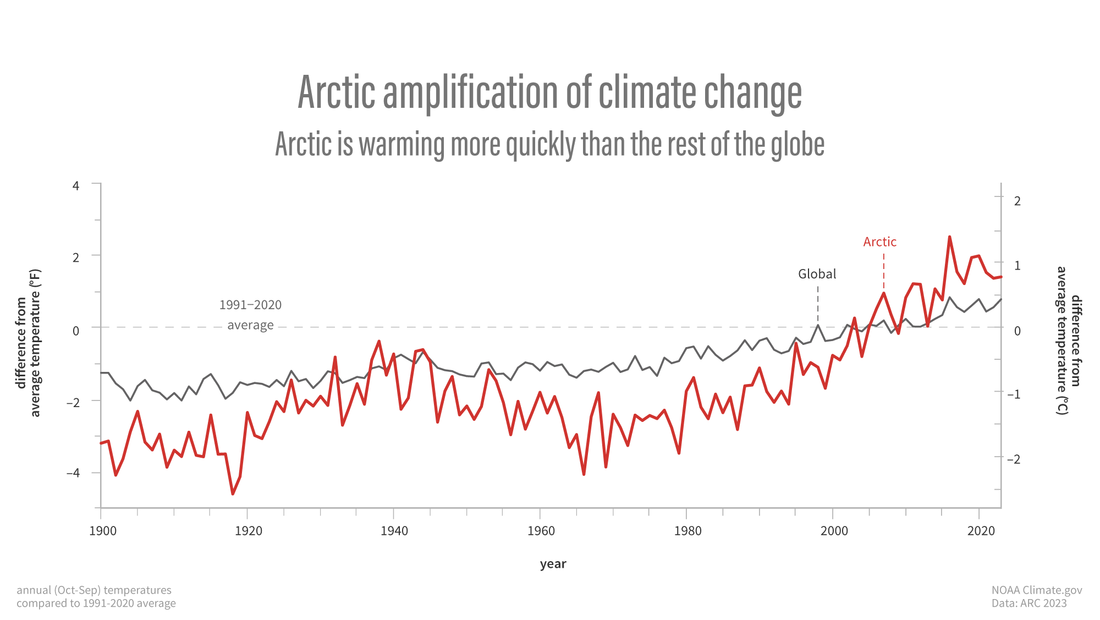
As the world grapples with the challenges of climate change, a stark reality is emerging from the farthest reaches of our planet. The Arctic, once a symbol of icy resilience, is now experiencing temperatures that are more than twice as fast-rising as the global average. This alarming trend has left scientists scrambling to understand the causes and implications of this phenomenon.
What’s Driving the Record-Breaking Temperatures?
In an era where climate change has become a pressing concern, it’s essential to delve into the scientific details behind this phenomenon. According to the latest Arctic Report Card from the National Oceanic and Atmospheric Administration (NOAA), the region has witnessed its hottest year on record since modern temperature records began over a century ago.
The main culprit behind this rapid warming is human-induced greenhouse gas emissions. The increasing levels of carbon dioxide, methane, and other pollutants in the atmosphere are trapping heat and leading to a cascade of extreme weather events. This phenomenon is often referred to as “tipping points,” where small changes can have significant and irreversible consequences.
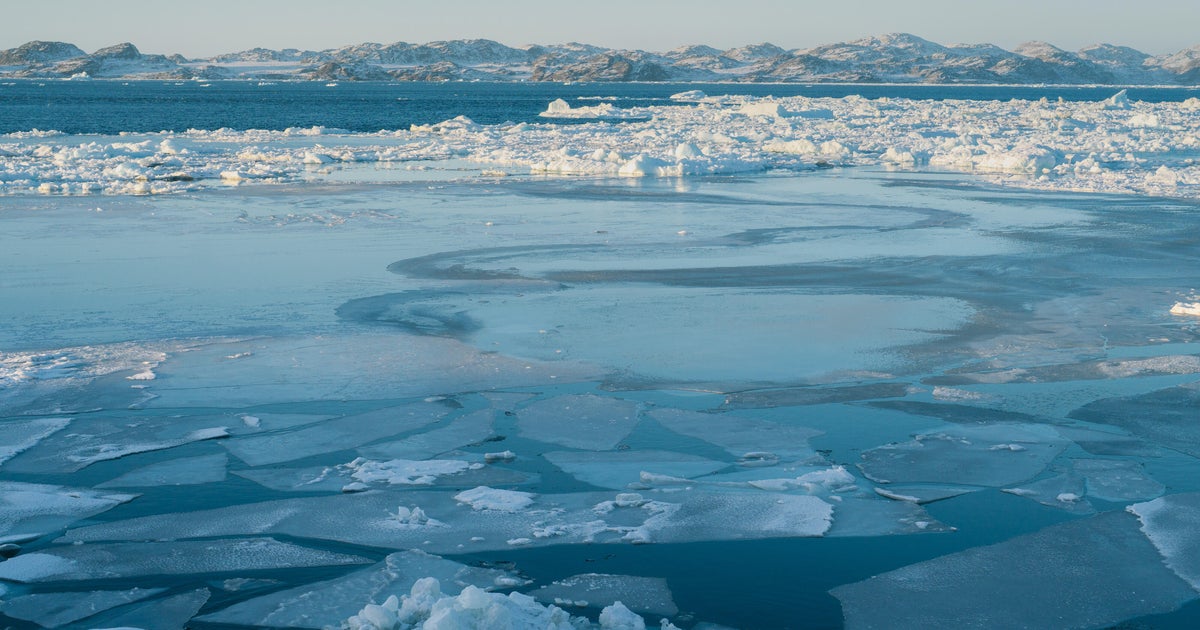
One key factor contributing to the Arctic’s accelerated warming is the melting of sea ice. Once a vital component of the Earth’s climate system, sea ice plays a crucial role in regulating global temperatures by reflecting sunlight back into space. As the Arctic warms, the extent and thickness of this ice are diminishing at an unprecedented rate.
The Human Cost: Consequences for Ecosystems and Communities
The Arctic’s rapid warming is having far-reaching consequences for both ecosystems and human communities. The melting of sea ice is altering ocean currents, which in turn affect marine life habitats and fisheries. This can have devastating impacts on the livelihoods of indigenous communities that rely on these resources.
Furthermore, the Arctic’s warming is also exacerbating the spread of permafrost, a vast expanse of frozen soil that stores massive amounts of carbon dioxide. As this ice thaws, it releases methane into the atmosphere, creating a self-reinforcing cycle of warming and methane release.
Why the Rest of the World Should Take Note
While the Arctic’s rapid warming may seem like an isolated phenomenon, its consequences have far-reaching implications for the rest of the world. The melting of sea ice is disrupting global weather patterns, leading to more extreme weather events in regions such as North America and Europe.
Moreover, the Arctic’s warming is also having a profound impact on global food security. The altering of ocean currents and fisheries can lead to shortages and price increases, affecting not only local communities but also international markets.
What’s Next: A Call to Action
As the world grapples with the challenges of climate change, it’s essential to recognize that time is running out. The Arctic’s rapid warming serves as a stark reminder of the urgent need for collective action.
Governments, corporations, and individuals must work together to reduce greenhouse gas emissions and transition to renewable energy sources. This requires a multifaceted approach, including investments in clean technologies, sustainable infrastructure, and climate-resilient agriculture.
As we move forward, it’s crucial that we prioritize transparency, accountability, and scientific accuracy in our efforts to address this global challenge.
Learn more about the Arctic’s rapid warming and its implications for our planet. Read the full report from NOAA here: https://www.msn.com/en-us/weather/climate-change/arctic-temperatures-are-rising-more-than-twice-as-fast-as-the-global-average-noaa-reports/ar-AA1SEdIa
—