
Elon Musk’s Bold New Plan for Space Exploration: A Self-Sustaining Lunar City by 2036
In a move that has sent shockwaves through the space industry, Elon Musk and SpaceX have announced plans to establish a self-sustaining city on the Moon by 2036. This ambitious goal marks a significant shift in the company’s focus from Mars exploration to lunar development, with far-reaching implications for the future of space travel and habitation.
The Shift from Mars to the Moon: Why It Matters
For years, SpaceX has been working towards establishing a human settlement on Mars, with ambitious targets including sending its first crewed mission to the Red Planet in the mid-2020s. However, as analysts have pointed out, the challenges and costs associated with such an endeavor are significant, not least of which is the lengthy travel time between Earth and Mars.
In contrast, the Moon presents a much more accessible and manageable target for SpaceX’s next steps. With its relatively close proximity to Earth, a lunar city would allow for shorter missions and more frequent travel opportunities, making it an attractive option for both crewed and uncrewed missions.
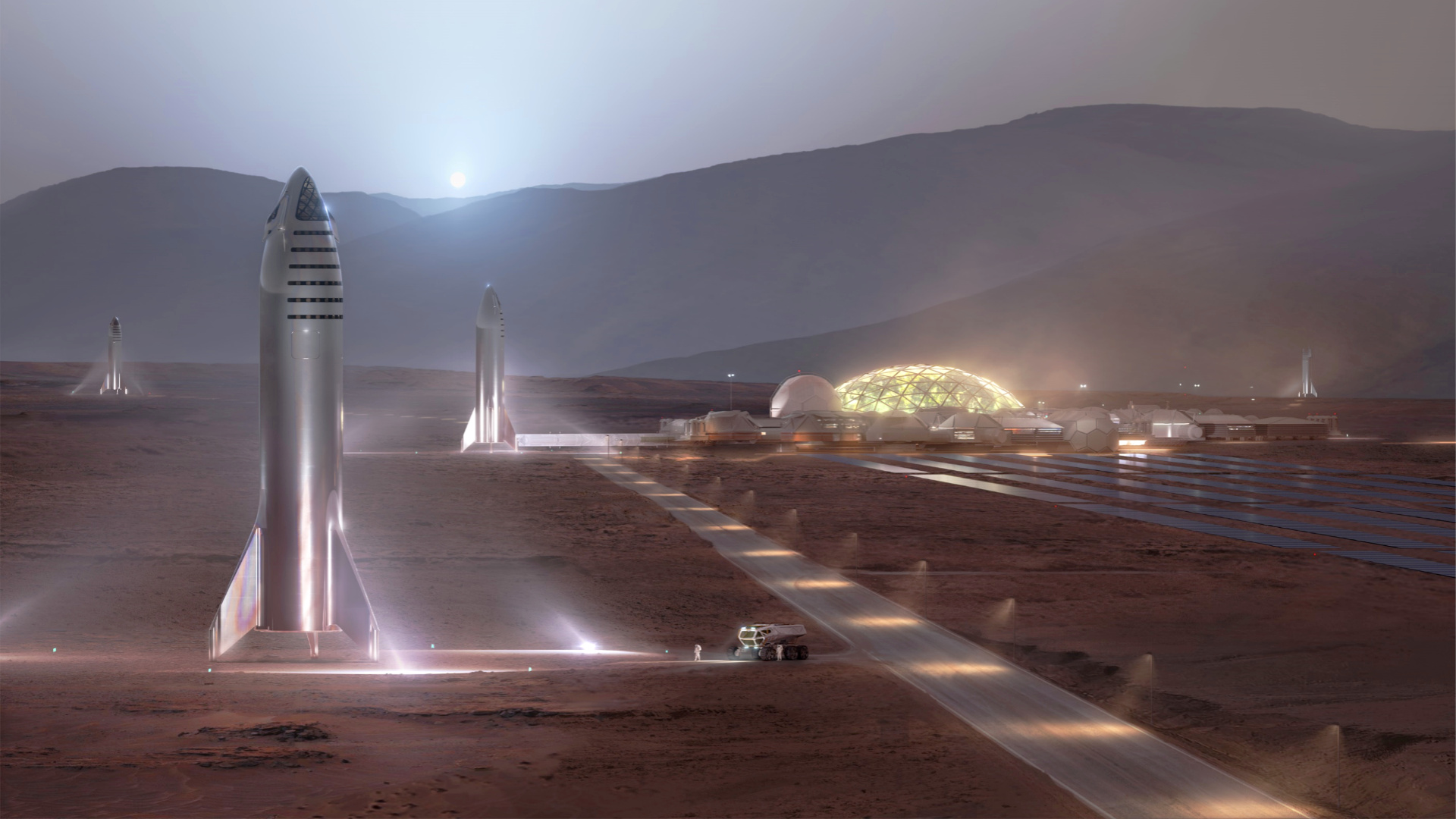
The Benefits of a Lunar City
So, what are the benefits of establishing a self-sustaining city on the Moon? For starters, a lunar base would provide a vital platform for testing and validating technologies and strategies that could be used in future Mars missions. This would not only reduce costs but also accelerate development cycles, allowing SpaceX to hit its ambitious targets sooner.
Furthermore, a lunar city would offer a unique opportunity for scientific research and exploration, with the Moon providing an unparalleled vantage point for studying the Earth and the Sun. The city’s proximity to Earth would also enable regular resupply missions and communication links, making it an attractive option for both crewed and uncrewed missions.
The Challenges Ahead
Of course, establishing a self-sustaining city on the Moon is no easy task. SpaceX will need to overcome significant technical, logistical, and financial challenges in order to make this vision a reality.
First and foremost, the company will need to develop and deploy a reliable transportation system capable of carrying crew and cargo to the lunar surface. This would involve developing new rocket engines, life support systems, and other critical technologies that can withstand the harsh conditions of space travel.
In addition, SpaceX will need to establish a stable and sustainable food supply chain for its lunar city, as well as develop the necessary infrastructure to support the city’s power generation and energy storage needs. This would require significant investments in areas such as solar panels, nuclear reactors, and other forms of renewable energy.
What’s Next? A Timeline of SpaceX’s Lunar Plans
So, when can we expect to see a self-sustaining lunar city take shape? According to SpaceX, the company is aiming to establish its first lunar base by 2036, with the goal of making it self-sufficient within ten years.
Here is a rough timeline of what we can expect from SpaceX’s lunar plans:
* 2025: Uncrewed mission to test landing and ascent technologies on the Moon
* 2027: Crewed mission to establish an initial lunar base
* 2030: Establishment of permanent crew quarters and life support systems
* 2032: Deployment of solar panels and nuclear reactors for power generation
* 2035: Completion of infrastructure development, including habitats, life support systems, and energy storage
Conclusion
Elon Musk’s bold new plan for a self-sustaining lunar city marks an exciting new chapter in the history of space exploration. With its potential to accelerate development cycles, reduce costs, and provide a vital platform for testing and validating technologies, this vision has far-reaching implications for the future of space travel and habitation.
Whether or not SpaceX is able to overcome the significant technical, logistical, and financial challenges ahead remains to be seen. But one thing is certain: the company’s commitment to lunar development is a game-changer that could pave the way for a new era of space exploration and discovery.
Read more about Elon Musk’s ambitious plan for a self-sustaining lunar city on our original source article:
https://opentools.ai/news/elon-musks-lunar-leap-spacex-to-build-a-self-growing-city-on-the-moon-by-2036