Executive Summary
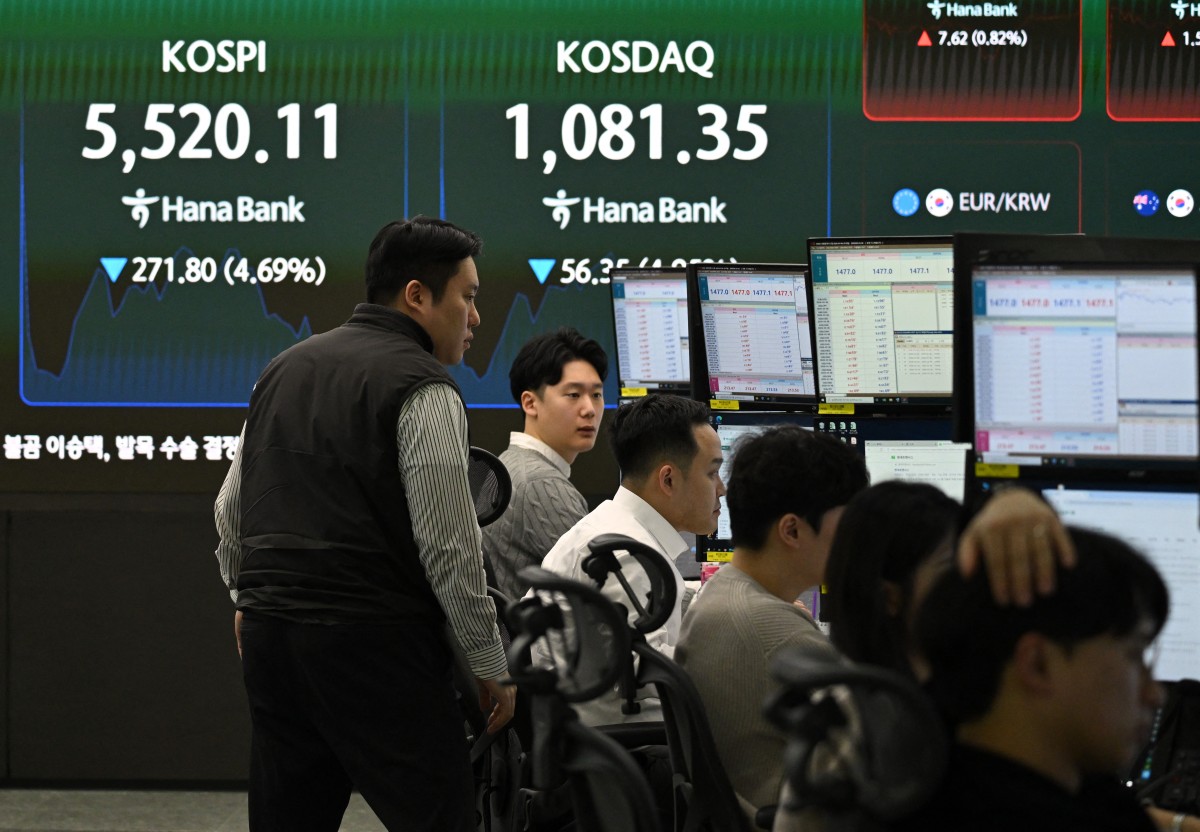
South Korea’s stock market has plunged to its worst level in history, wiping out over a decade of gains. The benchmark KOSPI index dropped 12.06 percent on Wednesday, eclipsing even the devastating losses triggered by the September 11 attacks in 2001. This week’s rout is the latest casualty of the escalating tensions between the US and Iran, which have effectively shut down the Strait of Hormuz, a crucial shipping lane for oil exports. With its economy heavily reliant on foreign oil and gas imports, South Korea’s stock market is bearing the brunt of the crisis.
The sell-off has been relentless, with corporate giants like Samsung Electronics, SK Hynix, and LG Electronics taking a hit. Shipping and logistics firms, however, have suffered the steepest losses as trade comes to a standstill. The plunge has also raised concerns about the country’s economic stability, which has long been built on the back of strong exports.
Market Data & Driving Catalysts
The recent volatility in South Korea’s stock market is a direct result of the escalating tensions between the US and Iran. The Strait of Hormuz, which carries over 20% of global oil supplies, has effectively come under lock and key, stranding ships and disrupting trade. The KOSPI index has been on a tear recently, gaining over 40% in the first two months of this year, outpacing international peers.

Historical Parallels: The 1970s Oil Shock
The current crisis bears eerie similarities to the 1970s oil shock, which sent shockwaves through global markets in the early 1970s. As with this year’s turmoil, the 1973 oil embargo triggered by the Yom Kippur War led to a sharp decline in global trade and a surge in commodity prices. The parallels are not coincidental; both crises have their roots in geopolitical instability and supply chain disruptions.
Strategic Outlook
In response to the current crisis, investors should be watching crude oil prices closely. We expect $60-$70 per barrel of Brent crude oil in the near term, with potential for short-term upside if the situation in the Strait of Hormuz stabilizes. Defensive stocks like gold, which has a history of performing well during periods of global uncertainty, are also worth considering.
Frequently Asked Questions (FAQ)
- What triggered the massive sell-off in South Korea’s stock market?
- The escalating tensions between the US and Iran have led to an effective shutdown of the Strait of Hormuz, disrupting global trade and causing a sharp decline in oil supplies.
- Can we compare this current crisis to past events?
- Yes, the current situation bears strong similarities to the 1970s oil shock, which was triggered by the Yom Kippur War and led to a surge in commodity prices and a sharp decline in global trade.
- Will South Korea’s economy be able to weather this storm?
- The country’s economic stability is heavily reliant on foreign oil and gas imports, making it vulnerable to supply chain disruptions. However, with its strong export sector and financial reserves, Seoul has the resilience to navigate these challenges.
Internal Resources
- Explore more Crypto & Finance Analysis [/category/crypto-finance/]
- Read the latest Global Macroeconomic News [/category/global-news/]
METADATA